
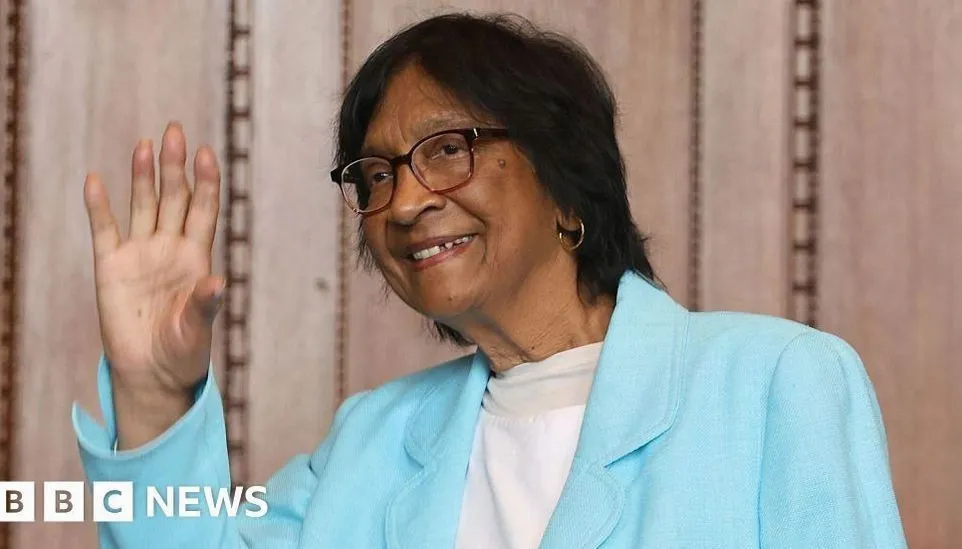
Navi Pillay, the formidable former United Nations human rights chief and current International Court of Justice judge, has been awarded the 2026 Nobel Peace Prize. The Norwegian Nobel Committee recognized the 85 year old South African for her lifelong dedication to promoting international law and creating a more comprehensive global legal order. When she first heard the news while at Nuremberg’s Palace of Justice, Pillay admitted she thought it must be a joke, eventually dedicating the honor to the survivors of international crimes and those working tirelessly to end impunity.
Born into a modest family in Durban during the era of apartheid, Pillay rose from being a bus driver’s daughter to becoming a pioneer in the legal field. She broke numerous barriers in South Africa, establishing the first female law practice in Natal Province and becoming the first non white woman appointed to the country’s high court. Her career evolved into a global mission, leading her to serve as president of the tribunal investigating the Rwandan genocide and later joining the International Criminal Court. By winning this prize, she becomes only the fifth South African to receive the honor, joining an elite group that includes Nelson Mandela and Desmond Tutu.
The announcement has sparked significant geopolitical tension due to Pillay’s recent leadership of a UN commission investigating alleged violations in Gaza. While supporters like UN Secretary General Antonio Guterres praised her as a steadfast voice for justice, others have reacted with hostility. The Israeli Foreign Ministry condemned the decision as a weaponization of the award, while US President Donald Trump suggested it demeaned the prize’s prestige. However, committee chair Jorgen Watne Frydnes defended the selection, emphasizing that Pillay was honored for her entire body of work rather than any single investigation.
For many advocates of human rights, including Amnesty International’s Agnes Callamard, the timing of this award is critical. As international laws face increasing scrutiny and challenge worldwide, they argue that honoring Pillay reaffirms that accountability is essential for true security. From defending anti apartheid activists in her youth to presiding over complex cases involving Myanmar today, Pillay has spent decades arguing that international law is not merely a supplement to peace but an absolute necessity for survival in a conflicted world.