
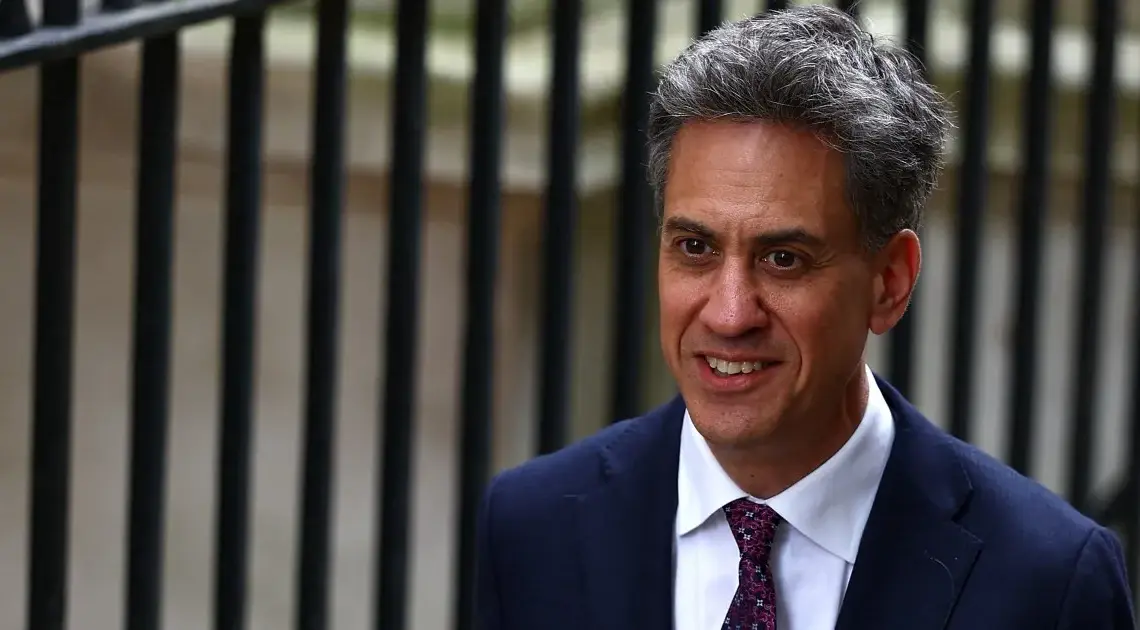
The United Kingdom has enacted a sweeping ban on imports from illegal Israeli settlements in the occupied West Bank, marking one of the most drastic shifts in British foreign policy toward the region in recent history. During a pointed address to Parliament, Foreign Secretary Ed Miliband characterized the rapid expansion of these settlements as unlawful and accused Israel of overseeing ethnic cleansing in Palestine. This move follows London’s formal recognition of Palestinian statehood last year and signals a comprehensive reset aimed at ensuring British consumers are not inadvertently supporting an illegal occupation through the products they buy.
The scope of the ban extends far beyond simple retail goods. Along with prohibiting imports from the West Bank, the UK government is implementing sanctions against individuals and businesses involved in settlement infrastructure, finance, and real estate. Furthermore, any advertising within Britain promoting property sales in these territories is now prohibited, and new restrictions have been placed on arms exports that materially contribute to the occupation. To clarify the distinction between politics and identity, Miliband emphasized that while the government is taking a hard line against settlement policies, it remains committed to fighting antisemitism at home and distinguishes between the actions of the Israeli state and its people.
Israel responded swiftly to the announcement with several counter measures, which include closing the British consulate in Jerusalem and barring twelve British members of parliament from entering the country. Despite this friction, Britain finds itself leading a growing international coalition; twelve other nations including France, Canada, Spain, and Norway issued a joint statement supporting these trade restrictions and calling for an immediate end to settlement expansion. These allies view such economic pressure as essential for preserving any remaining hope for a viable two-state solution.
From an economic perspective, the impact targets a specific slice of trade rather than a total severance of ties with Israel. While overall trade between the two nations totals roughly six billion pounds annually, imports specifically originating from occupied territories were estimated at around 38 million pounds recently. By isolating these specific funds—ranging from agricultural produce to industrial machinery—the UK aims to apply targeted moral pressure without dismantling its broader strategic partnership with Israel. Simultaneously, London signaled its continued security concerns by imposing new sanctions on Iranian interests and Hezbollah’s financial networks.